



As a parent, you naturally watch for signs your child is healthy and thriving. But while we’re quick to notice a fever or scraped knee, recognizing mental health struggles in young children can feel much harder. Is this just a phase? Am I overreacting? When should I actually seek help?
If you’re asking these questions, you’re not alone. Many parents struggle to know when typical childhood emotions cross into concerning territory. This guide will help you recognize mental health warning signs in young children and understand how early intervention—including powerful therapeutic approaches like sand tray therapy—can make a lasting difference.
Why Early Mental Health Intervention Matters for Your Child
Early childhood mental health intervention refers to professional support for children (typically ages 2-8) experiencing emotional, behavioral, or psychological challenges. The earlier these concerns are addressed, the better your child’s long-term outcomes.
Here’s why timing matters: Your child’s brain is developing rapidly during these early years. Neural pathways are forming that will influence how they handle stress, regulate emotions, and navigate relationships throughout life. Mental health support during this critical window can literally reshape brain development in positive ways.
Research shows that children who receive early mental health intervention experience:
- Better emotional regulation and coping skills
- Improved relationships with family and peers
- Greater school readiness and academic success
- Reduced risk of mental health problems in adolescence and adulthood
- Stronger resilience when facing future challenges
The good news? Young children are remarkably responsive to treatment. What might become a deeply ingrained pattern later can often be addressed more easily when caught early.
Mental Health Red Flags: When to Seek Help for Your Child
Every child has bad days, tantrums, and fears—these are normal parts of development. But certain patterns signal that your child needs professional support. Trust your parental instincts, and watch for these warning signs.
Childhood Anxiety Symptoms
Normal childhood fears (like being scared of the dark) are different from anxiety disorders in children. Seek help if your child shows:
- Separation anxiety that persists beyond age 5 or worsens over time
- Extreme distress about attending preschool or daycare, even after months of adjustment
- Physical complaints (stomachaches, headaches) with no medical cause, especially before school or social events
- Constant worry about everyday situations (what if the car breaks down, what if you forget to pick me up)
- Avoidance of age-appropriate activities they previously enjoyed
- Difficulty sleeping due to fears or worry
- Excessive need for reassurance (“Are you sure nothing bad will happen?”)
- Panic attacks in children (rapid heartbeat, difficulty breathing, overwhelming fear)
Depression in Young Children
Yes, preschool depression and childhood depression are real. Watch for:
- Persistent sadness or irritability lasting two weeks or longer
- Loss of interest in playing, friends, or favorite activities
- Changes in energy (either lethargy or agitation)
- Frequent crying or emotional meltdowns
- Self-criticism unusual for their age (“I’m bad,” “Nobody likes me”)
- Withdrawal from family and friends
- Concerning statements about wanting to disappear or not wanting to exist
- Changes in appetite or sleep patterns
Trauma Symptoms in Children
Childhood trauma from abuse, neglect, violence, frightening medical procedures, natural disasters, or loss requires immediate attention. Trauma symptoms in young children include:
- Nightmares, night terrors, or sleep problems
- Repetitive trauma play—reenacting scary experiences through play over and over
- Being constantly on edge or easily startled
- Regression (acting like a younger child, bedwetting after being potty-trained)
- Increased aggression or sudden fearfulness
- Seeming emotionally “flat” or detached
- PTSD in children (flashbacks, avoidance, hypervigilance)
Behavioral and Emotional Regulation Problems
While tantrums are developmentally normal for toddlers, certain patterns need attention:
- Frequent, intense tantrums beyond age 4
- Aggression that endangers the child or others regularly
- Emotional dysregulation—inability to calm down even with parental support
- Extreme reactions that seem way out of proportion
- Difficulty transitioning between activities without major meltdowns
- Oppositional defiant behavior that disrupts family functioning
- Impulsive behaviors that create safety concerns
- Trouble understanding social cues or others’ emotions
When Your Gut Says Something’s Wrong
Here’s the most important guideline: If you’re consistently worried about your child’s emotional wellbeing, that concern deserves professional attention. You know your child better than anyone. Trust yourself.
Don’t wait for problems to become severe. Early assessment either provides reassurance or opens the door to helpful support—it’s a win either way.
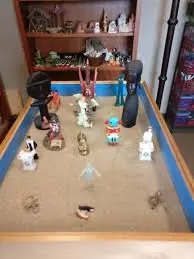
What Is Sand Tray Therapy? A Powerful Tool for Children’s Mental Health
Sand tray therapy for children (also called sandplay therapy) is a specialized form of play therapy that’s incredibly effective for young children struggling with mental health issues. If your child’s therapist recommends this approach, here’s what you need to know.
How Sand Tray Therapy Works
Imagine a shallow box filled with sand and hundreds of miniature figures—people, animals, houses, trees, vehicles, monsters, bridges, fences, and more. In sand tray therapy, your child uses these materials to create scenes in the sand that represent their inner world.
There are no rules about what to create or how to play. The child has complete freedom. They might:
- Build elaborate worlds with clear stories
- Create abstract designs or patterns
- Stage battles, rescues, or everyday scenarios
- Bury objects, build mountains, dig rivers
- Place figures carefully or change scenes repeatedly
The child therapist observes closely but lets your child lead. This isn’t about talking through problems—it’s about giving form to feelings and experiences that are too big, scary, or confusing for words.
Why Sand Tray Therapy Is Perfect for Young Children
Young children think concretely and communicate naturally through play. Child psychology research confirms that children process experiences and emotions differently than adults. Their language centers are still developing, but their emotional brains are fully active.
Sand tray therapy meets children where they are developmentally:
Play is children’s natural language. When kids play, they’re not just having fun—they’re working through experiences, testing ideas, and making sense of their world. Sand tray therapy harnesses this innate process for healing.
No talking required. A four-year-old with anxiety may not know how to explain the tight feeling in their chest. But they can show a small animal surrounded by bigger, scary ones. The symbolic play communicates what words cannot.
Safe distance from scary stuff. The miniature figures let children explore difficult experiences without confronting them directly. A traumatized child might stage a car crash with toy vehicles, processing the event at a comfortable psychological distance.
Sensory and calming. The sand itself is therapeutic. Its texture is naturally regulating for many children. The ability to shape and transform it provides a sense of control—powerful medicine for kids who feel powerless.
Mastery through repetition. Children naturally repeat experiences they’re working to understand. A child might create similar scenes session after session, gradually changing details as they process and heal.
What Can Sand Tray Therapy Treat?
Sand tray therapy has strong research support and clinical evidence for treating:
- Childhood anxiety disorders (separation anxiety, generalized anxiety, specific phobias, social anxiety)
- Childhood trauma and PTSD (abuse, neglect, witnessing violence, medical trauma, natural disasters)
- Depression in children and grief
- Behavioral problems (aggression, defiance, impulsivity)
- Emotional regulation difficulties
- Social-emotional challenges and relationship problems
- Stress from family transitions (divorce, new siblings, moves)
- Selective mutism and communication difficulties
What to Expect from Sand Tray Therapy Sessions
Sessions typically last 45-50 minutes and follow a gentle, child-led structure:
1. Your child chooses figures and creates a scene. The therapist provides the materials and a safe, non-judgmental space. Your child has complete freedom to create whatever they wish.
2. The therapist observes and sometimes asks gentle questions. They might say, “Tell me about this part” or “What’s happening here?” But they never criticize, correct, or direct the play.
3. Your child shares if they want to. Some kids narrate their entire process. Others work silently. Both are fine. The act of creating is therapeutic even without verbal explanation.
4. The therapist documents the tray (usually with photos) to track themes and progress over time.
5. Your child dismantles the scene (or the therapist does after the session), returning to a blank slate for next time.
Seeing Progress in the Sand
Over multiple sessions, healing becomes visible in the trays themselves. Early sessions might show:
- Chaos, with figures scattered randomly
- Violence, crashes, or scary scenarios
- Separation themes or trapped figures
- Empty trays or minimal engagement
As therapy progresses, trays often shift toward:
- More organization and structure
- Protective elements (fences, safe houses, helper figures)
- Resolution of conflicts within the scene
- Peaceful coexistence of previously threatening elements
- More integrated, cohesive scenes
These changes in play reflect internal changes in your child’s emotional world. The chaos they felt inside is becoming more organized. The overwhelming feelings are becoming manageable.
Many therapists integrate multiple methods based on your child’s needs. The best approach is whatever helps your child feel safe and engaged.
What About Therapy for Parents?
Parent coaching or family therapy often accompanies child therapy. Your child’s therapist may:
- Teach you strategies for supporting your child at home
- Help you understand what your child is working through
- Address family dynamics that impact your child’s wellbeing
- Provide education about childhood mental health
Your involvement matters tremendously. The most effective treatment happens when therapy room and home reinforce each other.
Questions Parents Ask About Sand Tray Therapy
Will I be in the room during sessions?
Usually no. Children express themselves more freely without parental presence. Your therapist will provide updates about progress.
What if my child creates violent or scary scenes?
This is actually common and therapeutic. Children use play to work through difficult material. Trained therapists know the difference between healthy processing and concerning content.
How long does sand tray therapy take?
It varies. Some children show improvement in 8-12 weeks; others benefit from longer-term support. Your therapist will discuss goals and timeline.
Does sand tray therapy really work?
Yes. Research supports its effectiveness, and many parents report remarkable changes in their children’s emotional regulation, anxiety levels, and behavior.
Is my child too young (or too old) for sand tray therapy?
Sand tray therapy works well for ages 3-12, though approaches vary by age. Younger children use it more freely; older children (and adults) might combine it with talk therapy.
Call us at 713-973-2800 if you are interested in play therapy/sand tray therapy.