



DBT helps you manage overwhelming emotions, reduce harmful behaviors, and build better relationships. Dr. Marsha Linehan created it in the late 1980s, and research has proven it works especially well for people who struggle with self-injury, suicidal thoughts, and borderline personality disorder.
But what about virtual DBT? Is online therapy as good as meeting in person?
Is Virtual DBT Right for You?
When you do DBT virtually at the DBT Center, you’ll get the same proven treatment, just through video calls instead of in an office. You’ll use your computer, tablet, or phone to connect with your therapist and participate in all the important parts of DBT.
What Will You Actually Do in Virtual DBT?
Your virtual DBT program will include several key parts:
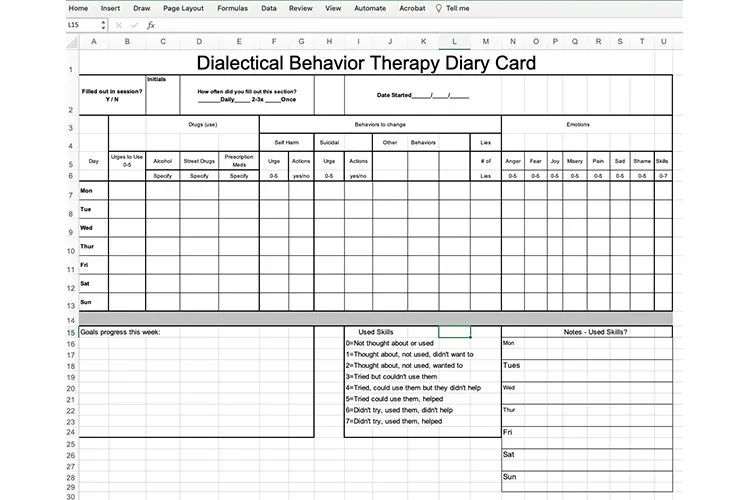
Your Weekly Individual Therapy: You’ll meet one-on-one with your therapist through a secure HIPAA compliant video platform for about 50 minutes each week. In this session, work on your personal goals, track your progress with a diary card, and use chain analysis apply DBT skills in real life. This is critical for DBT effectiveness.
Group Skills Training: You’ll join a video call with other people who are learning DBT skills. You won’t have to share deeply personal information in group. Instead, you’ll learn four sets of powerful skills:
- Mindfulness – staying present instead of getting lost in worries or ruminating
- Distress Tolerance – handling crisis moments without making things worse
- Emotion Regulation – understanding and managing your feelings
- Interpersonal Effectiveness – communicating more effectively and setting boundaries
Between-Session Coaching: When you’re facing a tough situation and need help using your skills, you can reach out to your therapist through phone or text. This isn’t for long conversations, it’s quick coaching to help you in the moment.
Homework You’ll Complete: You’ll fill out diary cards tracking your emotions, urges, and skill use. You’ll also practice your new skills between sessions in your everyday life.
The Benefits You’ll Experience with Virtual DBT
Research shows that clients in online DBT programs enjoy several real advantages:
You Can Get Help from Home
No more driving across town, sitting in traffic, or missing work for appointments. You can attend therapy from your living room, bedroom, or anywhere private with internet. Studies found that attendance was greater online, probably because it’s so much easier to show up when you don’t have to travel.
If you live in a rural area, have transportation problems, or struggle with mobility issues, virtual DBT removes these barriers completely.
You’ll Get the Same Results
You might wonder if online therapy really works as well as in-person. Research published in the Journal of Consulting and Clinical Psychology found that telehealth DBT was just as effective as in-person DBT for people with, with both groups showing major reductions in suicidal and self-injurious behavior.
Studies show people in DBT programs cut suicide attempts by 50% compared to those receiving non-behavioral therapy, and documented a 37% drop in self-harming episodes during the first treatment year. These benefits happen whether you’re doing therapy online or in person.
You Might Feel More Comfortable Opening Up
Some clients find it easier to share difficult feelings when they’re in their own space. Some therapists noted that clients found it easier to disclose information in telehealth sessions. Being at home can feel safer than sitting in an unfamiliar office.
You’ll Save Time and Money
Think about how much you spend on gas, parking, or taking time off work for appointments. Virtual therapy eliminates all of that. You can attend a session during your lunch break or right after work without the commute.
Your Schedule Becomes More Flexible
Busy with kids, work, or school? Virtual DBT fits into your life more easily. You don’t need to leave early to account for traffic or arrange childcare for the travel time.Virtual DBT: Does it Work and What to Expect as a Client
The Challenges You Might Face
While virtual DBT has many benefits, it’s important to know about the potential difficulties you might encounter:
Technology Can Be Frustrating
Your internet might cut out mid-session. You might struggle with logging in or hearing clearly. Therapists reported that technology issues were common concerns.
Technical problems can feel especially frustrating when you’re trying to talk about something important. Make sure you have a backup plan, like having your therapist’s phone number to call if video fails.
It’s Harder to Connect Sometimes
Observing emotion-focused content proved difficult at times, as in-session non-verbals and shifts in expression didn’t translate well over a computer screen. Your therapist might not notice subtle changes in your body language or facial expressions that would be obvious in person.
This also goes both ways—you might find it harder to feel connected to your therapist through a screen, especially at the beginning.
Privacy Can Be Tricky
If you live with family, roommates, or parents, finding a private space for therapy can be challenging. Confidentiality of sessions was a built-in concern with telehealth, as therapists wondered where clients were sitting and who else might be in the room.
You’ll need to find somewhere you can talk freely without being overheard. For some people, this means attending sessions from their car or waiting until others leave the house.
It’s Easier to Avoid When Things Get Hard
Therapists reported that sometimes it was difficult for clients to not shut off emotional interactions, such as switching off cameras or abruptly ending video calls. When you’re sitting in an office, walking out feels like a big deal. But online? It’s much easier to just turn off your camera or log out when you’re uncomfortable.
This can slow down your progress if you avoid difficult conversations that are actually important for your healing.
Crisis Situations Are More Complicated
If you’re having suicidal thoughts or urges to harm yourself during a session, your therapist has fewer options to help keep you safe. You and your therapist need to decide if virtual sessions are safe for you. If so, you’ll need to work with your therapist on a solid safety plan before starting treatment.
Group Sessions Feel Different
Skills training groups online have their own unique challenges. You might notice it’s harder to feel connected to other group members through a screen. The energy feels different than sitting in a circle together. Some people love this because they feel less anxious, while others miss the in-person connection.Virtual DBT: Does it Work and What to Expect as a Client
Will Virtual DBT Work Well for You?
Research shows that virtual DBT helps many different types of people:
If You’re a Teen or Young Adult
Research specifically supports DBT’s effectiveness for adolescents and young adults, with studies showing major reductions in suicide attempts, self-injury, and emotional problems among teenagers in adapted DBT programs.
You might benefit from virtual DBT if you:
- Have intense mood swings that feel impossible to control
- Hurt yourself or have thoughts about suicide
- Act impulsively and regret it later
- Fight constantly with your parents or friends
- Struggle with anxiety, depression, or eating disorders
Many teens actually prefer virtual therapy because it feels less awkward than sitting across from an adult in an office.
If You Face Practical Barriers
Virtual DBT is perfect for you if you:
- Don’t have reliable transportation
- Live in a rural area far from therapists
- Have physical disabilities that make travel difficult
- Care for children or elderly family members and can’t leave home easily
- Work long hours or irregular shifts
- Feel anxious about entering a mental health office or leaving your home
- Have a very tight schedule.Virtual DBT: Does it Work and What to Expect as a Client
What You Need to Start Virtual DBT
Before you begin, make sure you have:
The Right Technology
- A device with a camera (computer, tablet, or smartphone)
- Reliable internet connection
- Headphones for privacy and better sound quality
- A backup plan if technology fails (therapist’s phone number)
A Private Space
- A room where you can close the door
- Somewhere others won’t overhear you
- A quiet environment without too many distractions
The Right Mindset
- Willingness to participate actively (not just listen passively)
- Commitment to attend regularly for several months
- Openness to doing homework and practicing skills
- Understanding that change takes time and effortVirtual DBT: Does it Work and What to Expect as a Client
Your Journey: What to Expect
Starting Out (Weeks 1-4)
Your first sessions will focus on getting to know your therapist, learning how DBT works, and setting up the technology. You might feel awkward at first.Ttalking to a camera takes some getting used to. That’s completely normal.
You’ll learn mindfulness skills first, which help you stay present instead of getting overwhelmed by your thoughts and feelings.
Building Skills (Weeks 5-16)
During this phase, you’ll learn all four skill sets. Each week in group, you’ll learn new skills and get worksheets to practice. In your individual sessions, you’ll talk about how to use these skills in your specific life situations.
You’ll probably have some weeks that feel amazing and others that feel hard. Progress isn’t a straight line.
Strengthening Your Practice (Weeks 17-24+)
As you get more comfortable with the skills, you’ll work on using them automatically when difficult situations arise. Your therapist will help you prepare for ending therapy and continuing to use your skills on your own.
Despite endorsing some challenges with telehealth, almost all therapists reported they will continue implementing some DBT via telehealth post-COVID, highlighting both benefits and challenges. This shows that virtual DBT is here to stay because it genuinely helps people.Virtual DBT: Does it Work and What to Expect as a Client
Making Virtual DBT Work for You
Here are some tips from clients who’ve successfully completed virtual DBT:
Create a Therapy Space: Even if it’s just a corner of your room, make it comfortable and private. Some people light a candle or have a cozy blanket to signal “therapy time.”
Test Your Technology Early: Log in 10 minutes early for your first few sessions to work out any technical issues. Nothing’s more stressful than scrambling to connect when you’re already nervous.
Turn Off Distractions: Close other tabs, silence your phone, and let people in your house know not to interrupt. Give therapy your full attention.
Be Honest About What’s Not Working: If the camera angle feels weird, the sound is bad, or you’re struggling to focus, tell your therapist. They can help adjust things to make it better for you.
Use the Chat Feature: If you’re too anxious to speak up in group or want to ask a private question during individual therapy, many platforms have a chat option you can use.
Practice Your Skills Outside Sessions: The real change happens between sessions when you use your skills in everyday life. Don’t just show up—do the work.Virtual DBT: Does it Work and What to Expect as a Client
The Bottom Line: Is Virtual DBT Worth It?
You’ll get proven, effective therapy in your own home. You’ll learn skills that can dramatically improve your life. You’ll reduce harmful behaviors, manage emotions better, and build healthier relationships, all without the barriers that might have prevented you from getting help in the past.
If you’re struggling with intense emotions, self-harm, or feeling like your life is out of control, virtual DBT gives you a real path forward. Thousands of people have found healing through online DBT programs. We would be happy to talk with you. Call us at 713-973-2800 or email us at administration at dbtcenterhouston.com.
Sources:
- Linehan et al. (1991). Randomized controlled trial of DBT for borderline personality disorder
- PMC Scoping Review on Online DBT Delivery (2022)
- Journal of Consulting and Clinical Psychology studies on telehealth DBT effectiveness
- Behavioral Tech Institute DBT research database
- Veterans Affairs provider surveys on telehealth DBT (2020-2021)